
Visa Rules Reshaped Global IT: And Sent Work Back to India
Visa Rules Shift Work Back to India: What It Means for Global IT

Hi there, and welcome back to The Efficiency Playbook!
On Monday, I explored AI trends, hybrid work, and outsourcing shifts. Today, I’ll be diving into a development that’s reshaping global talent strategies: the U.S. H-1B visa clampdown.
For Indian IT firms, the impact is significant. For U.S. companies, it’s forcing a reevaluation of delivery models, cost structures, and talent deployment. In short: visa restrictions are accelerating the shift of work back to India.
India–U.S. IT Dependence
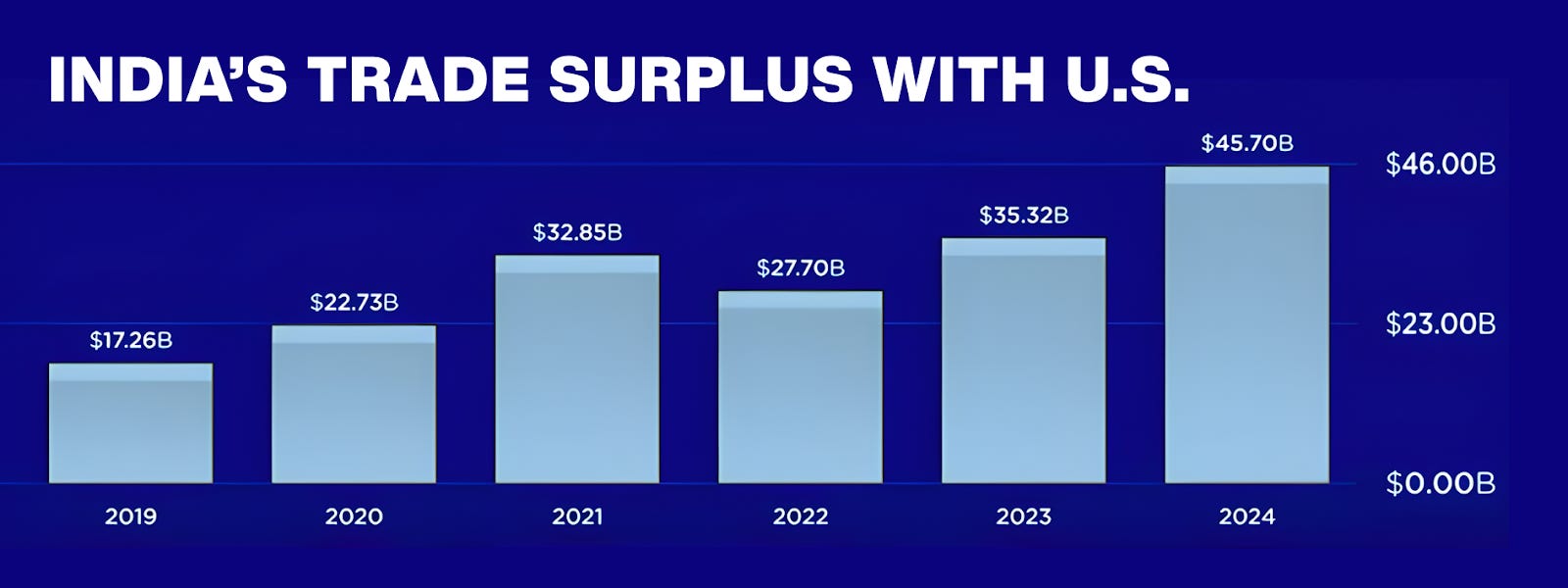
The Indian IT sector is a global powerhouse. The industry is valued at around $285 billion, with exports accounting for $225 billion. About half of these exports—roughly $110–$115 billion—go to the U.S., meaning any changes in visa rules or tariffs directly affect a massive chunk of India’s IT revenue.
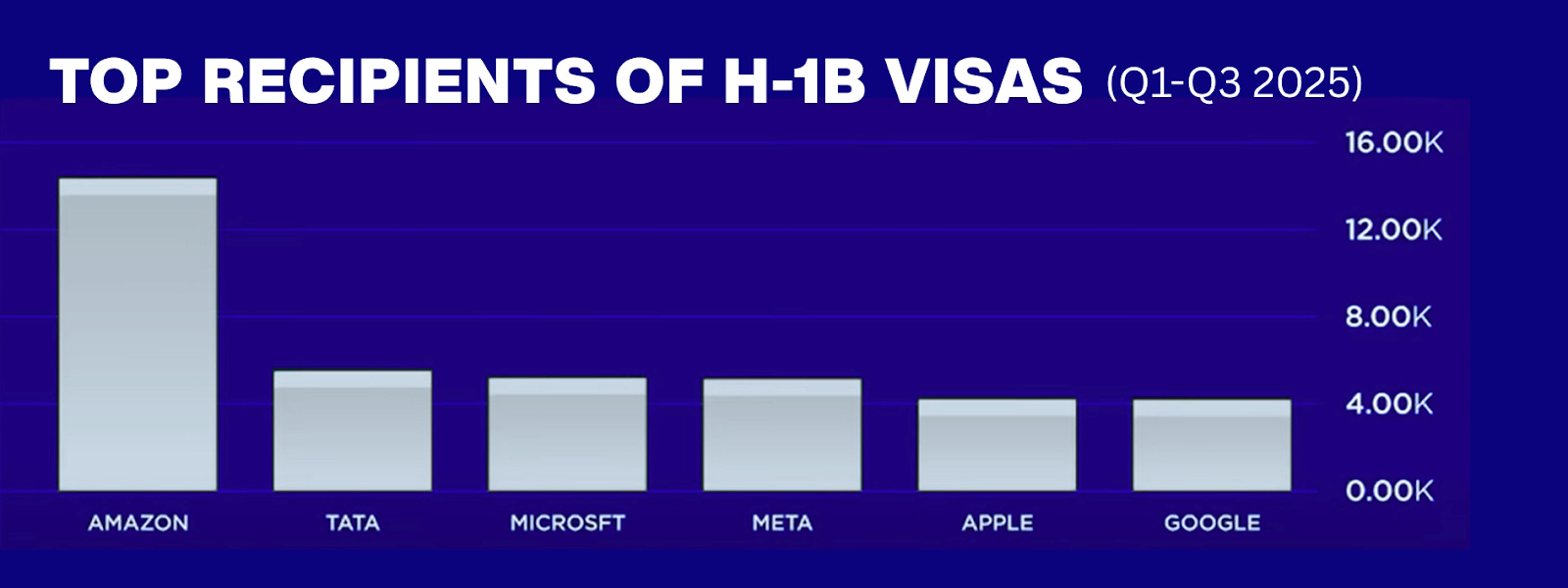
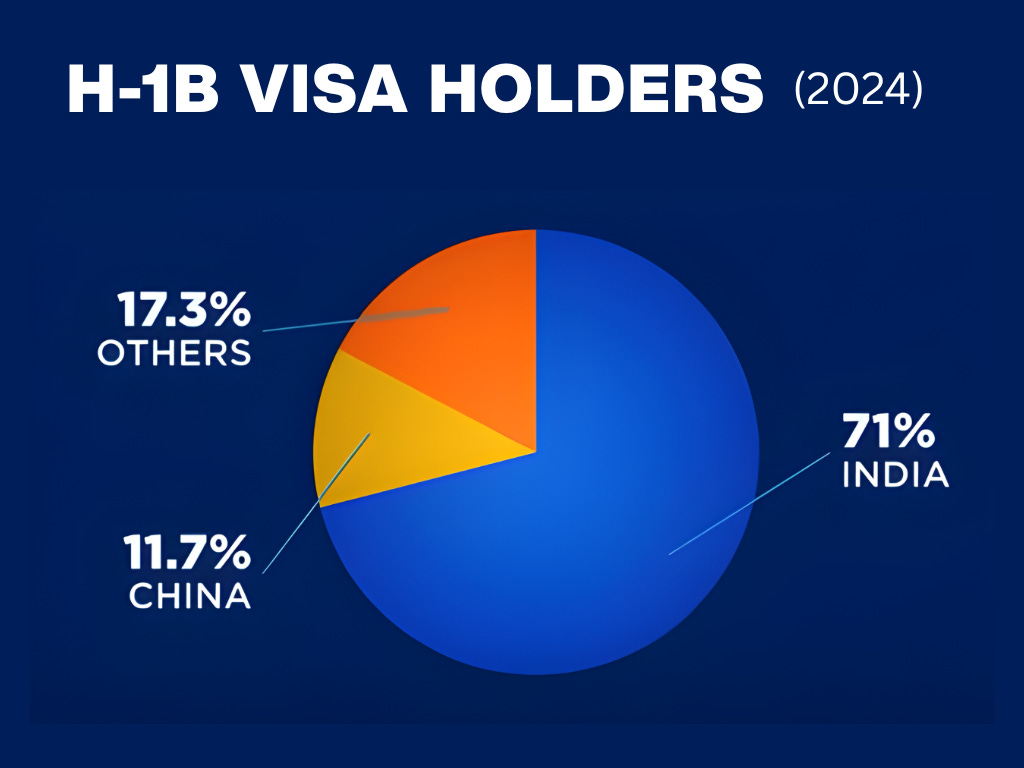
Historically, Indian firms have relied on sending talent onsite to deliver complex, high-value projects. The H-1B visa has been critical to this strategy. Restricting visas and raising labor costs in the U.S. are now forcing companies to rethink how they deliver work globally.
Direct Impact of the New H-1B Rules
The changes aren’t just bureaucratic—they have a real cost impact. The U.S. is not only limiting visa availability but also raising prevailing wages for foreign workers.
The consequences are already clear:
Companies face higher costs for onsite operations.
Indian IT firms have reduced ability to place talent in the U.S..
Delivery models that relied on a balance of onsite and offshore work are being restructured, favoring offshore-heavy execution.
Strategic Shifts in Delivery Models
Companies are adapting in multiple ways.
Offshoring to India is accelerating. The cost gap between U.S. and Indian labor has widened, making India-based delivery more attractive. Indian teams are now handling more complex projects, and GCCs (Global Capability Centers) are expanding beyond support work to innovation and transformation projects.
Local hiring in the U.S. will continue for client-facing roles, but this strategy raises project costs compared to offshore execution.
Nearshoring to Latin America and Canada is growing modestly, mainly for time-zone alignment and real-time collaboration. Meanwhile, emerging hubs like Eastern Europe and Africa are gaining attention, with Africa’s young, skilled workforce expected to rival India over the next decade.
Economic & Workforce Effects
The ripple effects are significant. U.S. tech wages are expected to rise due to limited foreign supply, while Indian wages may stagnate or decline slightly as more talent remains at home.
The traditional labor-arbitrage model is weakening. Outcome-based delivery and AI-driven productivity are replacing headcount-focused models. Companies that embrace AI-first approaches and domain expertise will thrive, while those relying solely on staffing models may struggle.
For small U.S. companies, this is a pivotal moment. Outsourcing through nimble platforms like Expert360.ai allows businesses to:
Access skilled offshore teams for non-core functions (accounting, marketing, operations).
Avoid the overhead of recruiting locally or managing large vendor contracts.
Maintain lean operations while staying competitive in a rising-cost environment.
Medium- and Long-Term Outlook
In the short term, U.S. firms may experience margin pressure and slower growth, typically low single digits. But over the medium to long term, offshoring to India is likely to strengthen, as STEM talent shortages in the U.S. persist.
AI and automation are also reshaping required skill sets, forcing professionals to “unlearn” traditional approaches and adopt outcome-driven methods. We may also see an increase in M&A activity, with a focus on acquiring digital and AI capabilities rather than nearshore assets. Smaller companies can capitalize by shifting non-core operations offshore, freeing internal resources for growth and strategic initiatives. M&A activity is likely to focus on acquiring AI and digital capabilities rather than nearshore assets—another signal that technology and efficiency are key drivers.
India’s Strategic Advantage
India is uniquely positioned to benefit from these shifts. Its strong domestic fundamentals—low inflation (~2.5%), tax incentives, and resilient consumption—provide a buffer against short-term shocks. GCCs are rapidly expanding in India, taking on high-end work in research, technology, finance, and risk management.
Several major multinationals, including JP Morgan, are increasing their footprint in India across engineering, cybersecurity, and legal functions, signaling long-term confidence. Even with potential risks like a proposed U.S. offshore services tax or rising protectionism in other countries, India’s trade diversification and offshoring momentum position it as the primary beneficiary of this structural shift.
Actionable Insights for Companies
Here’s what firms can do to stay ahead:
Diversify your talent footprint — strategically combining offshore, nearshore, and emerging hubs can meaningfully enhance productivity and resilience..
Embrace AI and automation to focus on outcomes rather than headcount.
Invest in reskilling teams—both offshore and onsite—for cloud, AI, and analytics skills.
Plan strategically: keep client-facing roles local but shift complex execution to India wherever feasible.
Bottom line: Short-term disruptions exist, but companies that adapt quickly—leveraging AI, reskilling teams, and deploying talent strategically—will gain a decisive advantage.
Conclusion
U.S. H-1B restrictions and rising protectionism are accelerating the shift of work back to India. Companies that embrace offshore-first delivery, invest in AI, and reskill their workforce will emerge stronger.
📅 Coming Friday: I’ll share a case study of companies successfully leveraging Indian teams to drive efficiency and growth.